

Still struggling to rank on Google despite following traditional SEO best practices? The reason is simple: Google’s algorithms have evolved beyond keyword matching to understand content through Natural Language Processing (NLP). NLP enables search engines to interpret content like a human, focusing on context, intent, and relevance rather than just keyword frequency.
As AI-powered SEO gains traction, optimizing your website using NLP techniques has become essential to succeed in digital marketing and improve your search rankings.
What is NLP in SEO?
Natural Language Processing (NLP) is a subfield of artificial intelligence that helps machines understand human language. In SEO, NLP focuses on making your content more understandable to search engines like Google by aligning with how users naturally speak and search.
Since major algorithm updates like BERT (Bidirectional Encoder Representations from Transformers) and MUM (Multitask Unified Model), Google has shifted from exact keyword matching to understanding context, intent, and semantic meaning. This means your SEO content must:
- Match user search intent
- Incorporate contextual relevance
- Reflect natural language
- Include entity recognition (people, places, topics)
If your content lacks these, you’re likely missing out on ranking opportunities.
Why Traditional SEO Isn’t Enough Anymore
Outdated SEO practices like keyword stuffing, writing only for bots, and ignoring user experience now work against you. In 2025, Google rewards content that:
- Speaks naturally to the user
- Is optimized for topic clusters
- Provides real value and answers real questions
- Maintains readability and engagement
For example, instead of writing “best running shoes cheap,” Google now prioritizes a phrase like “What are the most affordable running shoes for beginners?”
That’s NLP in action—and it’s why modern SEO needs more than traditional methods.
How Does NLP Work? 6 Ways To Use NLP for Modern SEO
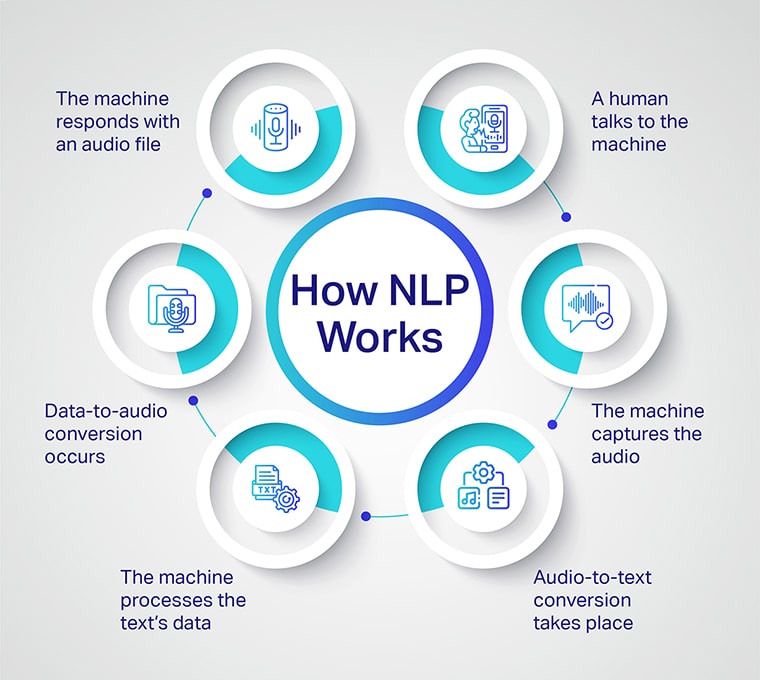
Natural Language Processing (NLP) allows search engines to better understand human language by analyzing the context, semantics, and relationships within content.Here’s how you can leverage NLP techniques to improve your SEO:
- Semantic Keyword Research Move beyond exact keywords. Use NLP to identify related terms, synonyms, and entities that give your content broader topical relevance. For a detailed step-by-step process, check out our Complete Beginner-Friendly Guide on How to Do Keyword Research for SEO .
- Topic Clustering & Content Hubs Organize your content into clusters of related topics that answer various user queries, signaling authority on a subject to search engines.
- Entity Optimization Highlight important entities such as people, places, products, or concepts in your content, helping Google understand your content’s core topics.
- Natural Language Content Creation Write content in a conversational, human-friendly tone that directly answers user intent and flows naturally, rather than keyword stuffing.
- Featured Snippet Optimization Structure content to provide clear, concise answers to common questions, increasing chances of being selected for Google’s featured snippets.
- Sentiment & Context Analysis Use NLP tools to analyze sentiment and context in your content, ensuring it aligns with user expectations and search intent for better engagement.
Why NLP Optimization Matters for Your Website
Here’s how NLP optimization can give your small business or startup a major advantage:
Improves Search Relevance Google’s algorithms now understand nuance. NLP helps your content match user queries more accurately, even when the words don’t exactly match.
Aligns with Google’s Latest Updates With BERT and MUM, Google focuses on context and relationships between terms. NLP optimization ensures your content aligns with this deeper analysis. Learn more about how AI is revolutionizing SEO in our detailed guide
Enhances Content Quality Using NLP techniques like entity optimization , topic clustering , and semantic keyword mapping improves the structure and depth of your content.
Boosts Featured Snippet Chances Google pulls NLP-friendly answers into featured snippets. That means higher visibility and more clicks — even if you’re not ranking #1.
Better User Experience When your content reads naturally, your visitors stay longer, engage more, and are more likely to convert.
How We Use NLP in Our SEO Services
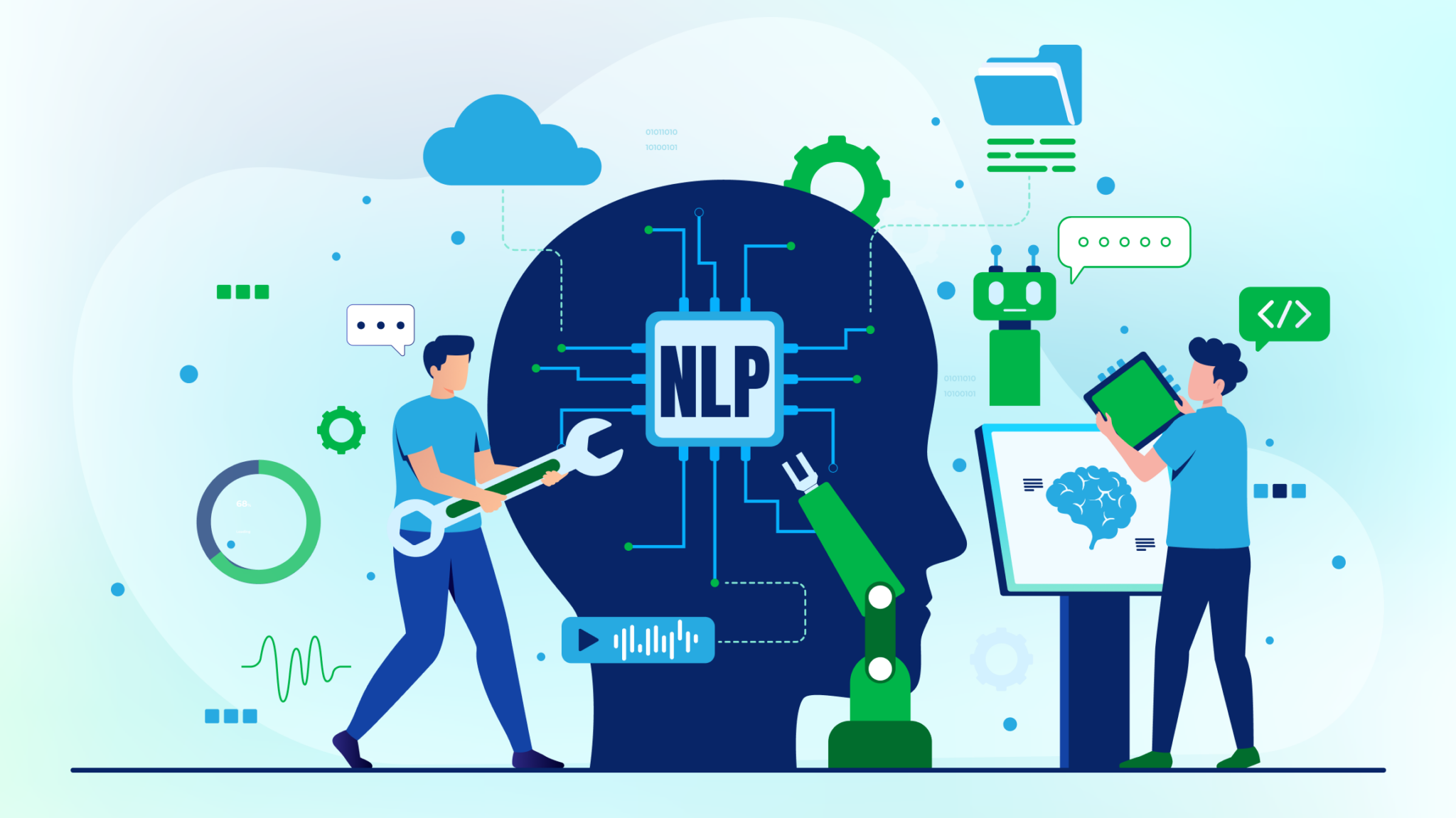
At Best SEO Agency BD , we go beyond keywords. Here’s how we apply NLP to help your business grow:
- Semantic Keyword Research : We identify not just the keywords — but the topics, entities, and related terms that support real authority.
- NLP-Based Content Creation : Your blogs, service pages, and product descriptions are optimized for natural readability and intent satisfaction.
- Topic Clustering & Internal Linking : We organize your content the way Google sees it — building topical authority through smart interlinking.
- Entity Optimization : We make sure your content highlights key entities (people, places, services) in a way that search engines understand and rank.
- AI & NLP Tools : We use tools like Frase.io , Surfer SEO , and MarketMuse to ensure your content stands out.
Read More: Explore free SEO tools that support NLP
Real Examples: Traditional SEO vs NLP SEO
- Traditional SEO: “best digital camera 2025”
- NLP SEO: “What is the best digital camera for travel photography in 2025?”
- Traditional SEO: “SEO tools for beginners”
- NLP SEO: “Which SEO tools are best for beginners looking to grow their traffic?”
Examples of How Google Uses NLP in Search

- Featured Snippets: Google uses NLP to extract the most relevant, clear answer from a page—even if it’s not ranked #1—based on how well it matches search intent.
- Passage Ranking: With NLP, Google can rank individual paragraphs or sections from a page, not just the entire page, which rewards well-structured content.
- People Also Ask (PAA) Boxes: NLP helps Google understand question formats and deliver semantically related follow-up queries.
- Voice Search: NLP enables Google to better match conversational queries with appropriate answers, often pulled from NLP-optimized content.
- Multilingual Understanding (via MUM): NLP allows Google to process and understand information across different languages to serve more relevant results, even from content written in another language.
- Contextual Suggestions: Google’s “Did you mean” and autocomplete suggestions are powered by NLP to predict what users actually intend to search.
Top AI & NLP SEO Tools You Should Be Using Today
| Tool | Best For | Key Features |
| Surfer SEO | On-page SEO | Content score, NLP terms, keyword density |
| MarketMuse | Content strategy | Topic modeling, gap analysis, competitive data |
| Jasper AI | AI writing assistance | Templates, tone control, long-form content |
| Frase | SERP analysis | Answer engine optimization, content briefs |
| Clearscope | Content optimization | Google-backed scoring, readability enhancement |
| ChatGPT | Content ideation | Keyword ideas, NLP phrasing, topic suggestions |
Using these tools, businesses can quickly generate optimized, data-driven content that aligns with current SEO trends.
Why AI & NLP-Powered SEO Services Are Better Than Traditional Services
Traditional SEO agencies often focus too much on keyword density, backlinks, or technical audits alone. AI-powered SEO takes a more holistic, intelligent approach by:
- Using predictive algorithms to forecast ranking changes
- Analyzing search intent through machine learning
- Creating content that satisfies semantic relationships
- Building content strategies based on topic authority
Example: Instead of optimizing only for “local dentist,” AI tools identify related entities (e.g., “dental implants,” “oral hygiene tips,” “emergency care near me”) to create a fully optimized cluster that ranks across multiple queries.
How We Use NLP to Help You Rank
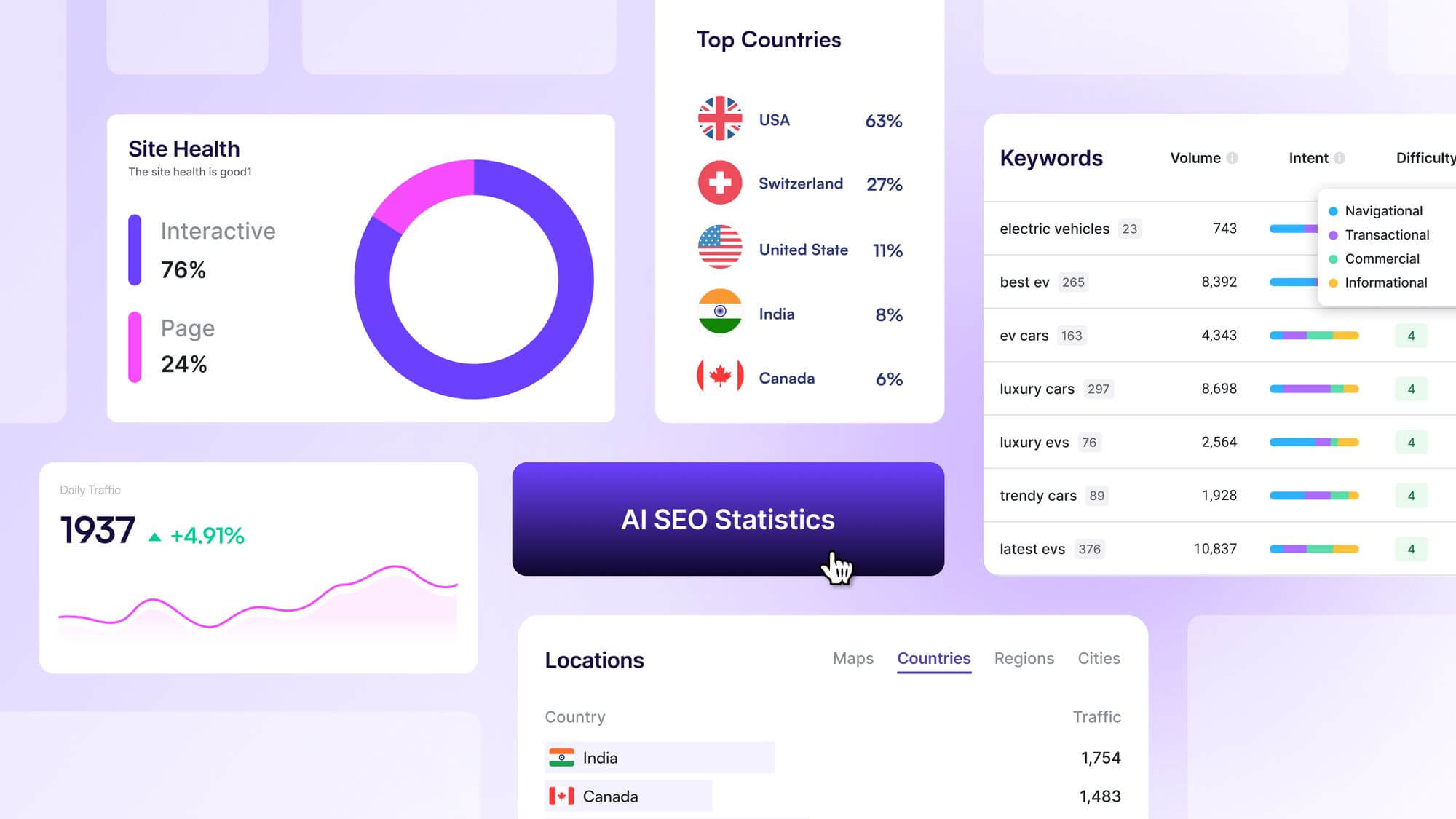
At Best SEO Agency BD, we don’t just write content—we optimize it with cutting-edge NLP strategies:
- Semantic Keyword Research: Finding high-impact terms with AI tools
- NLP-Based Content Writing: Structuring pages for intent and natural flow
- Entity and Schema Markup: Making content machine-readable and human-friendly
- Smart Internal Linking: Strengthening content networks across your site
- AI Tools: Leveraging Frase, MarketMuse, and Surfer SEO to fine-tune everything
Who Needs NLP SEO the Most?
Who Needs NLP SEO the Most?
- SMEs & startups stuck using outdated SEO methods
- Local businesses competing for top niche searches
- E-commerce stores needing better product visibility
Coaches & consultants relying on content to convert leads
The Evolution of SEO: From Keywords to NLP and AI
SEO has drastically changed from focusing solely on keywords to understanding the full context of user queries. With Google’s AI updates like BERT and MUM, search engines now interpret content much like humans do, making NLP essential to align your content with real user intent.
FAQ
❓ Does Google Search use NLP?
Yes, Google Search heavily uses Natural Language Processing (NLP) to better understand queries and deliver more accurate results. Since the introduction of BERT and later MUM, Google has shifted from keyword matching to understanding the context, intent, and relationships behind search queries. This allows Google to interpret questions like a human would and return results that best answer the searcher’s intent—even if exact keywords aren’t used. That’s why NLP optimization is now critical for SEO success in 2025.
❓ How is NLP improving content optimization?
NLP improves content by helping it match how people naturally search and speak. It allows you to structure answers clearly, use synonyms and related entities, and create more engaging, intent-driven content. This leads to better rankings, higher engagement, and improved visibility in SERPs.
❓ What are the benefits of switching to NLP SEO?
Switching to NLP SEO means your content becomes more meaningful to both Google and your readers. Benefits include:
- Improved keyword context and depth
- Higher chances of ranking for voice and long-tail queries
- Greater authority and relevance
- More opportunities to appear in featured snippets
❓ Can NLP SEO help my local business?
Yes, NLP SEO greatly benefits local businesses. By optimizing for geographic-specific queries, user intent, and recognizable local entities (like nearby landmarks or neighborhoods), your content becomes more discoverable in local search results. It also increases your chances of ranking in map packs and voice searches.
❓ What should I expect from an NLP SEO proposal or audit?
A high-quality NLP SEO audit will evaluate your content’s semantic depth, search intent alignment, topical authority, and entity usage. It may also include AI-based analysis of competitor strategies and suggest how to restructure your content to match Google’s understanding. Expect personalized keyword clusters, content briefs, and internal linking plans tailored to your niche.
❓ Is AI changing SEO in 2025?
Yes, AI is transforming SEO by helping search engines better understand user intent, semantics, and content structure. With models like BERT and MUM, Google can now interpret the meaning behind queries rather than just matching keywords. This shift makes content quality, natural language, and context more important than ever.
Final Thoughts
Google no longer ranks pages just for keywords—it ranks based on meaning. If your content doesn’t reflect how real people search and speak, it will get overlooked.
By using NLP optimization, your content becomes more discoverable, understandable, and trustworthy—both to search engines and your ideal customers.
Want to future-proof your SEO strategy for 2025? Let Best SEO Agency BD help you build an AI-optimized website that truly speaks Google’s language.